
Why Your Squat Stopped Going Up (A Coach's Diagnosis)
By Jordan Hoppel · · Updated · 3 min read
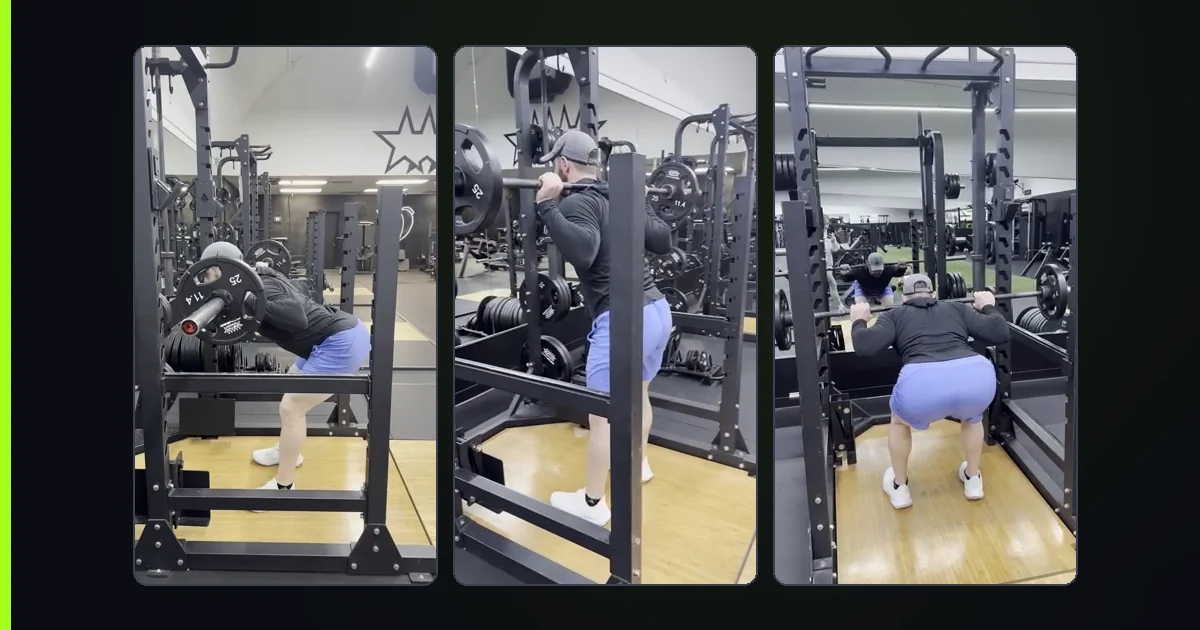
The usual causes of a stalled squat are overtraining, under-recovery, or an injury you have not noticed, and generally the nervous system is fatigued. Reaching your genetic limit is possible but rare outside professional lifters and bodybuilders. For beginners, a stall is usually a technique flaw.
A stalled squat is frustrating, and the instinct is to add more work. I start somewhere else: recovery, hidden problems and the nervous system.
Why does a squat stop going up?
Usually because you are overtrained, under-recovered or carrying an injury you haven't noticed. My full list:
- Overtrained. More work than you can recover from.
- Under-recovered. Not enough sleep, food or rest between sessions.
- An underlying injury the lifter doesn't realize is holding them back.
- Genetic limit. Possible, but rare outside professional lifters and bodybuilders.
Generally, their nervous system is fatigued.
That one line changes what you do about it. A fatigued nervous system isn't fixed by more sets, it's fixed by recovery. The signs I watch for are in what is a deload week: poor sleep, sessions that feel like a grind, feeling worn out, and numbers that trend down or haven't risen in a long time.
Why does a beginner's squat stall?
A beginner's stall is usually form-related: a technique flaw. For beginners the explanation is different from the list above. I describe the common ways it shows up:
- The body isn't positioned correctly.
- The correct muscles aren't being used in the right order or context.
- The movements aren't coordinated or smooth.
- The lifter is in an open-loop movement pattern when they need a closed-loop one. These are motor-control terms: in a closed-loop movement you steer using feedback as you go, in an open-loop movement you launch it and let it run.
My summary of how to read a beginner stall is honest about the uncertainty: "it really just depends." That is why I start by watching the lift, not by changing the program.
How do you tell fatigue from a technique problem?
Fatigue builds after weeks of hard training and drags your sleep and numbers down; a technique problem shows up early and never goes away.
| Looks like fatigue | Looks like a technique problem |
|---|---|
| Poor sleep and feeling worn out | The body is not positioned correctly |
| Sessions feel like a grind | The wrong muscles are working in the wrong order |
| Numbers trend down or stop rising for a long time | The rep is not smooth or coordinated |
| It showed up after weeks of hard training | It showed up early and never went away |
The left column is my list for needing a deload. The right column is my list of beginner stalls. The last row is an addition to make the comparison practical, not a quote.
A made-up example: stuck at 275
A lifter has squatted 275 for five reps three weeks in a row. Sleep has been short, sessions feel like a grind and the last two weeks of numbers are slightly down. By my list those are signs of fatigue, not a lack of effort. The first move is recovery, not a bigger squat day: half the sets for a week at the same weight, then try again. If the same lifter had slept well and felt fresh, the next suspect would be technique, then the training stimulus.
What should you check first when your squat stalls?
Check recovery first, then pain, then technique, then the training itself, and genetics last. Using my points, one way to sequence your checks is:
- Recovery and fatigue. Sleep, how sessions feel, and the trend in your numbers.
- Anything that hurts. An injury you haven't noticed can hold a lift down.
- Technique. Especially if you're newer to lifting.
- The training stimulus. If you're recovered and the lift is still stuck, it's a pure training plateau, and the fix is training that challenges the nervous system, such as slow lowering and pauses at the bottom. See progressive overload explained.
- Genetics, last. It's rarely the answer.
How do you break a squat plateau once you're recovered?
Change the training stimulus. My example plan for taking a 225 pound squat toward 315 spends the first weeks on technique at several depths, then uses high sets, low reps and slow tempo. Read it in full at how to squat 315 from 225.
Frequently asked questions
Why did my squat stop increasing?
Overtraining, under-recovery or an underlying injury you don't realize is holding you back. Generally, the nervous system is fatigued.
Could I just be at my genetic limit?
It could be, but that's rare outside professional lifters or bodybuilders.
Why do beginners stall?
Usually it's form-related: a technique flaw. They aren't positioning the body correctly, aren't using the correct muscles in the right order or context, or movements aren't coordinated or smooth. I add, 'it really just depends.'
What do I do if I'm recovered and it's still stuck?
Try slowing the eccentric tempo or pausing at the bottom for 3 seconds. See the squat plan linked below.
New lifting guides every week
Short training clips and the numbers behind them. Follow along or start training free.
Keep reading
How to Squat 315 From 225: A 12-Week Tempo Plan
An example plan for taking a 225 lb squat toward 315: a technique block, slow 4 to 5 second lowers, one-and-a-quarter squats and a week 13 test.
What Is a Deload Week? How to Run One and When You Need It
A deload cuts volume in half and keeps intensity the same. How to run one, and the signs, like poor sleep and stalled numbers, that you need it.
Progressive Overload Explained (and What to Do When It Stalls)
Progressive overload in plain terms: add reps first, then weight, how much to add as a beginner, and how to push past a plateau with tempo and pauses.